




dBA and dBC are two ways of weighting the same decibel reading, and the difference comes down to how much low-frequency sound each one counts. Because dBA counts so little of it, HVAC rumble and other low-frequency noise in an office can hide inside a dBA reading that looks perfectly normal.
Here’s how each weighting works, how the gap between the two numbers can help you surface otherwise hidden sources of disruption, and what the research shows about low-frequency noise at an identical dBA level.
What's the Difference Between dBA and dBC?
A-weighted decibels (dBA) adjust a reading to match how human hearing responds at moderate volumes, which means heavily discounting low frequencies. C-weighted decibels (dBC) apply only a light adjustment, so low-frequency sound counts at close to full strength.
|
dBA |
dBC |
|
|
What it reflects |
How loud a sound seems to the ear at moderate levels |
Closer to the room's total sound energy, bass included |
|
Treatment of low frequencies |
Strongly reduced (about 26 dB less at 63 Hz) |
Nearly unchanged (under 1 dB less at 63 Hz) |
|
Where you'll see it |
Checks for low-frequency rumble |
|
|
What it can miss |
HVAC drone, elevator machinery, traffic rumble |
How distracting mid- and high-frequency sound such as speech seems |
Most workplace standards set their noise targets in dBA because it tracks how loud a space sounds to the people in it. The catch is that dBA turns down low-frequency sound, so it can miss rumble that a dBC reading (as well as your occupants) would pick up.
Why Does the Average Decibel Hide Low-Frequency Noise?
A dBA average hides low-frequency noise because A-weighting discounts most of that energy before the average is calculated. That filter reflects the ear's lower sensitivity to bass at moderate volumes, but lower sensitivity doesn't equal zero effect.
A ventilation system producing a steady low drone, for example, can add substantial sound energy to a room while barely moving its dBA reading. The report may show an ideal dBA number, all while discounting the drone that makes it difficult for occupants to focus and work.
What Does the Gap Between dBC and dBA Tell You?
The gap between dBC and dBA shows how much low-frequency sound is in a space. Because dBC keeps the bass and dBA discounts it, a small gap means most of the energy sits in mid and high frequencies. A large gap means low-frequency sound makes up a significant share of what's in the room.
Common sources of a large gap include:
- HVAC fans, air handlers, and ductwork
- Rooftop chillers, pumps, and server-room cooling
- Road traffic and rail noise from outside the building
ASHRAE treats a gap of more than about 25 dB as a sign of significant low-frequency sound. It recommends that any background-sound specification written in dBA also include a dBC limit no more than 20 dB above it, and its design table pairs each dBA target with a dBC ceiling for the same reason.
Note that these ASHRAE figures describe background sound from building systems, not the total noise of an occupied office (which can drive up both readings once conversation and activity are added).
How Do You Measure dBA and dBC in an Office?
Measure dBA and dBC at the same time and in the same spot, since the gap between them only means something when both numbers describe the same sound. There are two ways to do that:
- Sound level meter: Many sound level meters can switch between A- and C-weighting, which works for a quick check. Each reading only reflects the moment it was taken, though, and low-frequency output from building systems shifts with operating schedules, seasons, and occupancy.
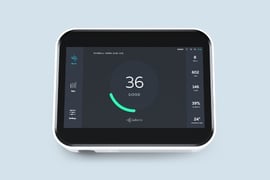
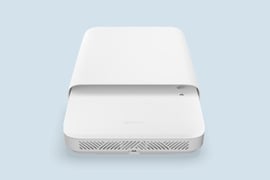
- Continuous monitoring: A continuous sound monitor tracks both levels over days and weeks, so you can see when a low-frequency gap appears, how long it lasts, and how often it returns.
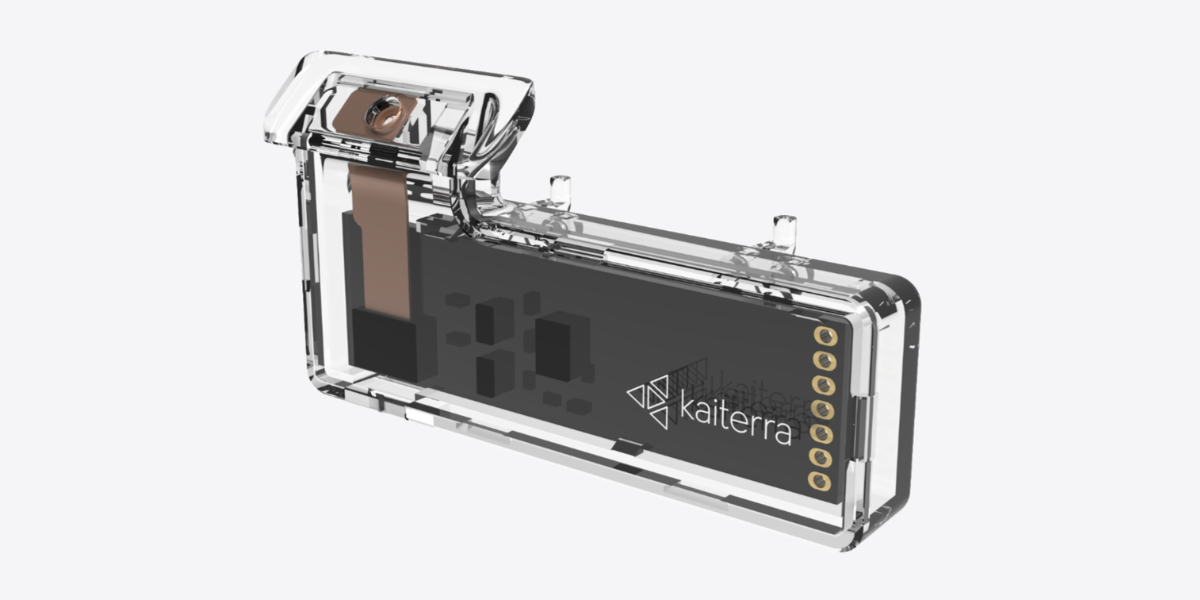
At Kaiterra, we read LCeq against LAeq, the C- and A-weighted energy averages measured in dBC and dBA. Each one summarizes sound across a whole period rather than a single instant, with louder moments carrying their full weight, so the gap between them reflects how a space sounds over time.
Measuring first is key because that data shows which kind of acoustic solution a space needs, whether it's acoustic panels for conversation noise or HVAC fixes such as vibration isolation and duct silencers for a low-frequency drone.
Does Low-Frequency Noise Affect People If dBA Looks Normal?
Yes. In a controlled study in Life Sciences, researchers exposed participants to two noises at an identical 40 dBA, but one with extra energy between 31.5 and 125 Hz, the deep bass range where HVAC rumble sits. The low-frequency version led to worse proofreading and slower verbal reasoning across the whole group. Among participants classified as noise-sensitive, it also blunted the normal afternoon decline in the stress hormone cortisol.
Noise sensitivity comes up often for neurodivergent employees: in a systematic review of 20 studies on workplace adjustments for neurodivergent workers, sound was the sensory issue addressed most often, with workers asking for quiet areas, soundproofed offices, and noise-cancelling headphones. The review also linked noisy, open, and crowded workplaces to difficulty staying employed, which makes acoustics a retention issue as much as a comfort one.
A serious acoustic strategy makes room for those differences. Tracking the gap between dBC and dBA over time shows which spaces carry hidden rumble and which are genuinely quiet, so you can offer occupants a range of environments that suit different sensitivities and protect occupant health, well-being, and productivity across your whole team.
Learn More About Measuring Low-Frequency Noise in Your Office
Taking dBA measurements is a good starting point, but those readings must be compared against C-weighted measurements to gain a better picture of what your space actually sounds like. Learn more about how continuous sound monitoring of parameters like LAeq and LCeq can help you achieve acoustic comfort in your office. Reach out to our team to talk to an IEQ expert today.